

Understanding the 2026 Capsule Wardrobe Philosophy
In the dynamic fashion environment of 2026, the capsule wardrobe isn’t just a trend; it’s a strategic lifestyle choice. At its core, a capsule wardrobe is a curated collection of versatile, high-quality clothing items that can be mixed and matched to create numerous outfits. The philosophy behind it is simple yet profound: quality over quantity, versatility over fleeting trends, and personal style over mass consumption. For 2026, this approach resonates more than ever, aligning with a global shift towards sustainability, conscious living, and a desire for less clutter and more clarity.
Why is this philosophy particularly relevant for the modern woman in 2026? Firstly, the accelerated pace of life often leaves little time for daily outfit dilemmas. A well-constructed capsule wardrobe eliminates decision fatigue, allowing you to dress effortlessly and confidently. Secondly, there’s a growing awareness of fashion’s environmental impact. By investing in fewer, better pieces, you contribute to a more sustainable industry, reducing waste and promoting ethical consumption. Thirdly, and perhaps most importantly, a capsule wardrobe empowers you to truly define and express your personal style. Instead of chasing every new silhouette or color that emerges as part of Fashion Trends Women 2026, you select pieces that genuinely reflect who you are, creating a cohesive and authentic aesthetic.
The core principles of a 2026 capsule wardrobe extend beyond mere clothing. They encompass a mindset of intentionality and appreciation for what you own. Each item should serve multiple purposes, transitioning seamlessly from day to night, work to weekend. This demands careful consideration of fabrics, cuts, and colors. While timeless pieces form the foundation, there’s ample room to integrate thoughtful updates that nod to contemporary Fashion Trends Women 2026 without compromising the wardrobe’s longevity. This balance between classic and current is key to a capsule that feels fresh and relevant in 2026. Ultimately, building a capsule wardrobe is an investment – an investment in your personal style, your peace of mind, and a more sustainable future.
Phase 1: The Wardrobe Audit & Vision Board for 2026
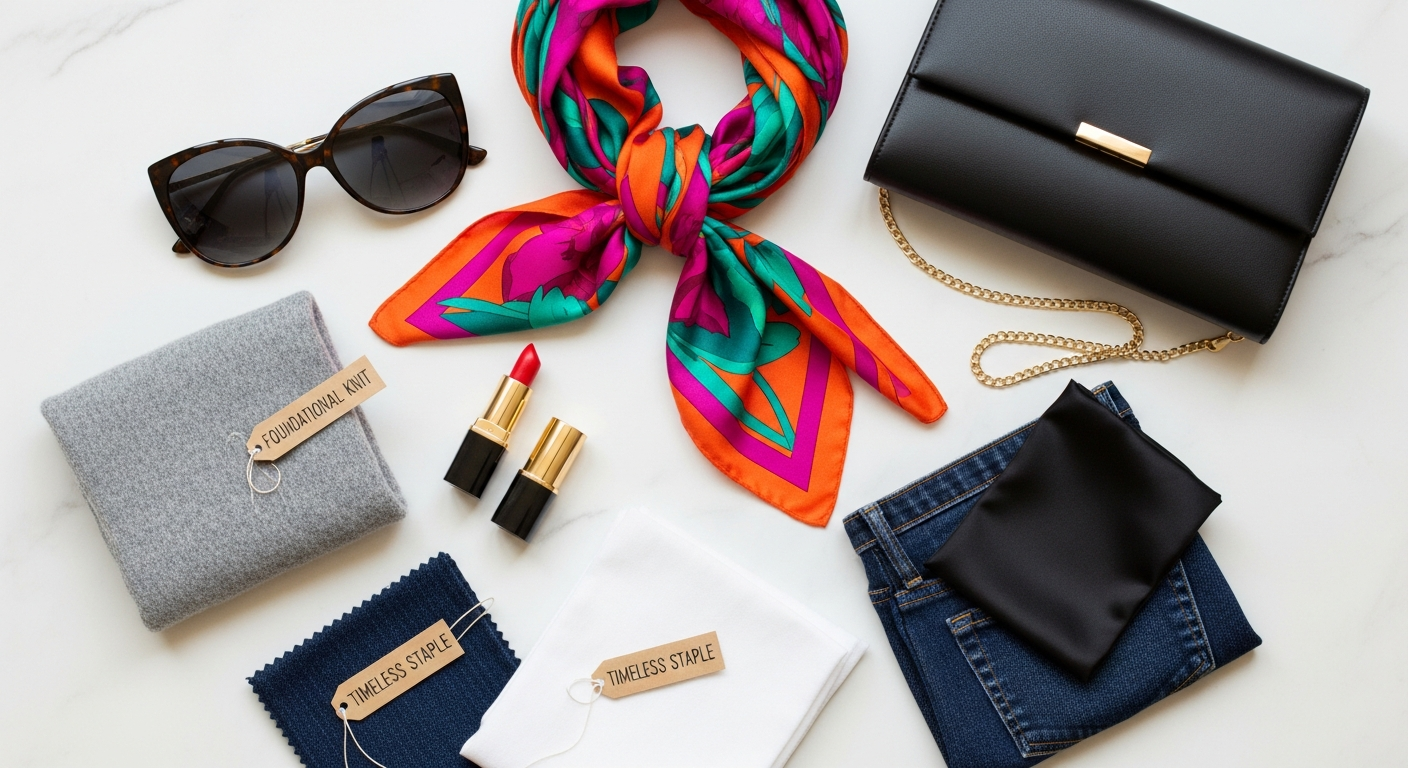
The journey to your perfect 2026 capsule wardrobe begins with a critical and often cathartic process: a thorough audit of your existing closet, followed by the exciting task of defining your personal style vision. This foundational phase is crucial for understanding what you currently have, what you truly need, and what aesthetic direction you want to embrace for the coming years.
The Great Declutter: A Brutally Honest Closet Audit
Start by emptying your wardrobe completely. Yes, everything. This allows you to see your entire collection with fresh eyes. Go through each item and create three piles:
- Keep: Items you love, wear regularly, that fit well, and are in excellent condition. These are potential candidates for your capsule.
- Donate/Sell/Repair: Items that don’t fit, are damaged, no longer suit your style, or haven’t been worn in over a year. Be ruthless here; if it doesn’t spark joy or serve a practical purpose, it’s time to let it go. Consider repairing quality items that just need a minor fix.
- Maybe: A very small pile for items you’re truly unsure about. Give yourself a strict deadline (e.g., two weeks) to wear them; if you don’t, they move to the donate pile.
This decluttering process isn’t just about reducing volume; it’s about clearing mental space and identifying patterns in your past purchasing habits. You’ll likely discover you own multiple similar items or clothes that no longer align with your current lifestyle.
Defining Your 2026 Personal Style Persona
With a clearer picture of your current wardrobe, it’s time to envision your future style. This is where your 2026 vision board comes into play.
- Inspiration Gathering: Turn to Pinterest, Instagram, fashion magazines (like those featuring Fashion Trends Women 2026), and style blogs (including Fashion Goggled, of course!) for inspiration. Look for outfits, colors, textures, and overall aesthetics that genuinely resonate with you. Don’t just pin what’s “trendy”; pin what truly makes you feel confident and beautiful.
- Identifying Keywords: After collecting images, look for common themes. Are you drawn to minimalist lines, bohemian prints, classic silhouettes, or edgy details? Jot down 3-5 keywords that describe your ideal style (e.g., “modern classic,” “effortless chic,” “sophisticated minimalist,” “playful elegant”).
- Lifestyle Analysis: Your wardrobe must reflect your real life. Break down your typical week: what percentage of time do you spend at work, at home, socializing, or engaged in active pursuits? If your lifestyle is 70% casual and 30% professional, your capsule should mirror that ratio. This prevents you from having a closet full of clothes for a life you don’t actually lead.
- Body Shape & Comfort: Understand what silhouettes flatter your body shape and, crucially, what makes you feel comfortable. A stylish outfit is only truly stylish if you feel good wearing it.
Crafting Your 2026 Color Palette
A cohesive color palette is the backbone of any successful capsule wardrobe. It ensures that almost every item can be mixed and matched effortlessly.
- Base Neutrals: Select 3-4 core neutral colors that form the foundation of your wardrobe. Popular choices include black, white, ivory, navy, grey, camel, and olive green. These colors are timeless, versatile, and easy to pair.
- Accent Colors: Choose 2-3 accent colors that complement your skin tone and personal style. These are where you can subtly incorporate some of the emerging Fashion Trends Women 2026, perhaps a vibrant hue or a soft pastel that feels contemporary. These colors will add personality and flair to your neutral base, often through tops, accessories, or a statement dress.
- Consider Undertones: Pay attention to whether you have warm, cool, or neutral undertones, as certain colors will naturally flatter you more. This step ensures your chosen palette enhances your natural beauty.
By completing this rigorous audit and vision-setting process, you’ll have a clear roadmap for building a capsule wardrobe that is perfectly tailored to your life and style aspirations for 2026 and beyond.
Phase 2: Building Your Core 2026 Capsule – The Essential Pieces
The Foundational Five: Categories of Essentials
While exact numbers can vary based on individual needs and the 30-40 piece guideline (excluding underwear, sleepwear, activewear, and true loungewear), here’s a breakdown of the essential categories and what to look for:
Tops (5-7 pieces)
- Classic T-shirts: Invest in high-quality cotton or modal t-shirts in white, black, and perhaps a neutral accent. Look for crew neck and V-neck styles.
- Button-Down Shirt: A crisp white or light blue button-down is incredibly versatile, perfect for work or dressed down with jeans. Consider a linen blend for warmer months in 2026.
- Elegant Blouse: A silk, satin, or high-quality rayon blouse in a neutral or accent color adds sophistication.
- Versatile Knitwear: A fine-gauge merino wool or cashmere sweater (crew neck or V-neck) and a classic cardigan are excellent layering pieces for cooler weather.
- Chic Tank Top: A well-fitting, elevated tank top can be worn alone or layered under blazers and cardigans.
Bottoms (3-5 pieces)
- Well-Fitting Jeans: A dark-wash, straight-leg or bootcut jean offers timeless appeal. Ensure they fit impeccably.
- Tailored Trousers: A pair of black or navy tailored trousers is indispensable for professional settings but can also be dressed down. Consider a comfortable, high-waisted wide-leg style that may be a subtle nod to Fashion Trends Women 2026.
- Versatile Skirt: A midi-length skirt (pencil, A-line, or pleated) in a neutral color or a subtle pattern offers elegance and versatility.
- Comfortable & Stylish Casual Bottoms: Depending on your lifestyle, this could be a pair of chic linen trousers for summer or well-tailored chinos.
Dresses (2-3 pieces)
- The Little Black Dress (LBD): A true capsule wardrobe hero. Choose a silhouette that flatters your body and can be easily dressed up with heels and jewelry or down with sneakers and a denim jacket.
- Versatile Midi Dress: A midi dress in a neutral color or a subtle print is incredibly adaptable. When considering Summer Dress Styles Women 2026, think about timeless silhouettes like a slip dress, a tailored shirt dress, or a flowy A-line, which can be layered for cooler weather or worn alone when temperatures rise. These pieces offer enduring style over fleeting seasonal whims.
- Casual Everyday Dress: A comfortable yet stylish dress for relaxed days, perhaps a t-shirt dress or a simple shirtdress.
Outerwear (2-3 pieces)
- Classic Trench Coat: A perennial favorite, perfect for transitional weather and instantly elevates any outfit.
- Tailored Blazer: A blazer in black, navy, or a neutral tone adds polish to both workwear and casual outfits.
- Versatile Jacket: A denim jacket for casual looks or a chic leather moto jacket for an edgier touch.
Shoes (3-5 pairs)
- Comfortable Flats: Loafers, ballet flats, or elegant pointed-toe flats for everyday wear.
- Versatile Heels: A pair of classic pumps or block heels in black or nude, suitable for both professional and evening occasions.
- Stylish Sneakers: Clean, minimalist sneakers that pair well with both dresses and trousers.
- Seasonal Boots: Ankle boots or knee-high boots for cooler months.
Accessories
While not strictly counted in the core number, accessories are crucial for completing outfits and injecting personality.
- Quality Handbag(s): A versatile crossbody bag and a practical tote bag.
- Classic Belt(s): In black and brown.
- Minimalist Jewelry: Pieces that can be worn daily and complement your entire wardrobe.
- Scarves: Add color, pattern, and warmth.
By carefully selecting these core pieces, focusing on fit, fabric, and versatility, you lay a strong foundation for a 2026 capsule wardrobe that is both practical and effortlessly stylish.
Phase 3: Integrating 2026 Trends & Personalizing Your Capsule
A capsule wardrobe is not about rigidly adhering to a minimalist aesthetic that eschews all innovation; rather, it’s about intelligently incorporating fresh ideas and personal touches to keep your style current and vibrant in 2026. The true art of capsule building lies in knowing how to integrate emerging Fashion Trends Women 2026 strategically, ensuring your wardrobe remains dynamic without sacrificing its core principles of versatility and longevity.
Smart Trend Adoption for 2026
The key to embracing trends within a capsule framework is selectivity. Instead of buying into every micro-trend, choose one or two that genuinely appeal to you and complement your existing wardrobe.
- Accessorize with Trends: This is the easiest and most cost-effective way to update your look. For 2026, this might mean a specific handbag silhouette, a chunky piece of jewelry, a unique belt, or a scarf in a trending pattern or color. Accessories are low-commitment ways to refresh your outfits.
- Strategic “Trend Pieces”: Consider adding one or two clothing items that reflect current Fashion Trends Women 2026. This could be a top in a trending fabric, a jacket with a contemporary cut, or a pair of trousers in a fashionable wide-leg silhouette. Ensure these pieces can still be mixed and matched with at least 3-5 items from your core capsule.
- Color Splashes: Incorporate a trending color of 2026 through a single item like a blouse, a pair of shoes, or even through your makeup choices. This adds a modern touch without requiring a complete wardrobe overhaul.
Remember, the goal is to make trends work for your capsule, not the other way around. Choose trends that enhance your personal style, rather than overshadowing it.
The Power of Layering: Maximizing Your Capsule’s Potential
Layering is an indispensable technique for extending the wearability of your capsule pieces across seasons and occasions. It allows you to create depth, add interest, and adapt to varying temperatures throughout the day.
- Transitional Outfits: A classic trench coat over a midi dress for spring, a blazer over a simple tee for a polished casual look, or a fine-gauge knit worn under a slip dress for cooler evenings.
- Texture Play: Mix different textures within your layers – a silk blouse under a wool blazer, a denim jacket over a cotton dress. This adds visual interest and sophistication.
- Warmth & Style: In colder months, layering turtlenecks under button-downs or sweaters under coats ensures warmth without bulk, allowing you to utilize lighter pieces year-round.
Mixing and Matching Mastery: The Art of Endless Outfits
The true magic of a capsule wardrobe lies in its ability to generate numerous outfits from a limited number of items. This requires a mindset shift and a bit of creativity.
- Outfit Matrix: Once you’ve built your capsule, challenge yourself to create as many distinct outfits as possible. Take photos of combinations you love. This visual “lookbook” can be a lifesaver on busy mornings.
- Dress Up, Dress Down: Learn how to transform an item for different occasions. Your LBD can go from evening glam with heels and statement jewelry to daytime chic with sneakers and a denim jacket. A tailored blazer can elevate jeans and a t-shirt or complete a sophisticated work ensemble.
- Experimentation: Don’t be afraid to try unexpected combinations. Sometimes the best outfits come from playing around with what you have. A patterned scarf can completely change the feel of a neutral outfit.
By strategically integrating 2026 trends, mastering layering, and embracing the endless possibilities of mixing and matching, your capsule wardrobe will feel fresh, personal, and effortlessly stylish, ready for any occasion the year might bring.
Beyond the Clothes: Skincare, Beauty & Wellness for 2026
A truly comprehensive approach to personal style in 2026 extends far beyond the clothes in your closet. It encompasses a holistic view of self-care, where radiant skin, a polished appearance, and overall well-being form the invisible yet essential layers of your personal brand. Just as you curate your wardrobe, consider curating your beauty and wellness routines to complement your streamlined, sophisticated 2026 aesthetic.
Skincare as Your Foundation
Healthy, glowing skin is the ultimate accessory and forms the perfect canvas for any outfit. In 2026, the emphasis remains on effective, minimalist routines that nourish and protect.
- Cleanse & Tone: Start with a gentle cleanser to remove impurities, followed by a balancing toner.
- Treat & Target: Incorporate serums tailored to your skin concerns, whether it’s hydration, anti-aging, or brightening.
- Moisturize: A good quality moisturizer is crucial for maintaining the skin’s barrier and suppleness.
- SPF is Non-Negotiable: Daily sun protection is the single most important step for preventing premature aging and maintaining skin health.
This consistent routine ensures your complexion is fresh and vibrant, reflecting a commitment to self-care that aligns with the thoughtful elegance of your 2026 capsule wardrobe.
Minimalist Makeup: Enhancing Natural Beauty
Following the capsule philosophy, makeup in 2026 leans towards enhancing your natural features rather than heavy concealment. The goal is to look polished and put-together with minimal effort.
- Flawless Base: A light foundation or tinted moisturizer to even out skin tone.
- Defined Features: A touch of mascara to open the eyes, a well-groomed brow, and a hint of blush or bronzer for a healthy glow.
- Subtle Trends: If you wish to incorporate Fashion Trends Women 2026 into your makeup, do so subtly. Perhaps a trending eyeshadow shade for an evening look, or a specific lip color that complements your wardrobe palette.
The idea is quick, effective routines that allow your natural beauty to shine through, perfectly complementing the effortless style of your capsule wardrobe.
Haircare & Styling: Effortless Elegance
Your hair, like your skin, contributes significantly to your overall appearance. For 2026, focus on healthy hair and styles that are chic yet easy to maintain.
- Healthy Hair First: Invest in quality shampoos, conditioners, and treatments that suit your hair type. Regular trims are also essential.
- Effortless Styles: Embrace styles that don’t require extensive daily styling. Think sleek ponytails, soft waves, or a classic bun. A good haircut that falls into place easily is a capsule beauty hero.
Lip Care Routine Soft Lips: The Perfect Pout
Often overlooked, a well-maintained pout completes any look, adding a touch of refinement and ensuring your lip color (if worn) applies smoothly and lasts longer. A dedicated Lip Care Routine Soft Lips is essential for a polished appearance in 2026.
- Gentle Exfoliation (1-2 times a week): Use a gentle lip scrub or a soft toothbrush with a little sugar and honey to remove dead skin cells. This promotes cell turnover and creates a smooth surface.
- Consistent Hydration (Daily): Apply a nourishing lip balm throughout the day, especially one with SPF to protect against sun damage. Ingredients like shea butter, hyaluronic acid, and vitamin E are excellent.
- Overnight Treatment: Before bed, apply a thicker layer of a rich lip mask or balm. This deeply moisturizes and repairs your lips while you sleep, ensuring you wake up with soft, supple lips.
- Internal Hydration: Don’t forget that drinking plenty of water contributes significantly to overall skin and lip hydration.
Having soft, healthy lips not only makes you feel more confident but also ensures that any lip product, from a subtle nude gloss to a bold red lipstick, looks its absolute best. This small, consistent effort ties into the larger philosophy of mindful grooming that underpins the 2026 capsule lifestyle.
Wellness & Mindfulness
Finally, true radiance comes from within. Prioritizing wellness through adequate sleep, a balanced diet, regular exercise, and stress reduction techniques will naturally enhance your appearance and confidence. A holistic approach to style in 2026 means nurturing your body and mind as carefully as you curate your closet.
Maintaining & Evolving
Digital Tools for Managing Your Capsule Wardrobe
Once your capsule is built, wardrobe management apps help you track outfits, identify gaps, and avoid impulsive purchases:
- Stylebook ($3.99, iOS): The most feature-complete personal wardrobe app. Photograph every item in your closet, tag by category/color/season, plan outfits visually, and track cost-per-wear. Used by professional stylists. Lets you identify which items are rarely worn before buying new ones.
- Cladwell (iOS/Android): AI-powered outfit planning that learns your preferences. Links to weather data to suggest daily outfit options from your existing wardrobe. Particularly effective for capsule wardrobe owners whose goal is maximising outfit combinations.
- Save Your Wardrobe (iOS/Android): European-focused app with a sustainability emphasis. Integrates with brand APIs to automatically log digital receipts. Tracks garment lifespan and maintenance (cleaning/repair) history. Useful for building a lifecycle picture of your investment pieces.
- Pinterest Boards + Notion (free): The low-tech alternative — a curated Pinterest board for inspiration plus a Notion database for inventory. Preferred by minimalists who don’t want another subscription.
Care, Repair, and Extending Garment Life
A capsule wardrobe is an investment — proper care multiplies the return. The WRAP UK study found that extending a garment's life by just 9 extra months reduces its carbon footprint by 20-30%. Key care practices:
- Washing: Wash less frequently and at lower temperatures. Cold water (30°C / 86°F) preserves colour, prevents shrinkage, and uses 40% less energy than warm washing (WRAP UK Clothing Longevity Protocol 2018). Turn dark items inside-out to prevent fading.
- Drying: Line-dry wherever possible. Tumble drying degrades elastic fibres and causes shrinkage — particularly damaging to knitwear, silk blends, and structured wovens. If using a dryer, low-heat is essential for longevity.
- Storage: Fold knitwear (never hang — hanging stretches the shoulder) and hang structured pieces on padded hangers. Cedar blocks or lavender sachets deter moths without chemical moth balls. Avoid plastic dry-cleaning bags (traps moisture).
- Visible Mending (Sashiko / Darning): The Japanese textile repair tradition sashiko (刺し子) — running stitch reinforcement using thick cotton thread — has become a global capsule wardrobe practice. It reinforces worn areas (inner thighs, cuffs, elbows) and adds decorative character. Western equivalent: darning (interlocking loop weaving over holes). Both extend garment life by 2-5+ years for high-wear zones.
- Professional alterations: A well-fitting item lasts longer in use. Hemming ($12-20), waist suppression ($25-40), and sleeve adjustment ($20-35) from a local tailor make investment pieces wearable for longer. Build a relationship with a local alterations tailor — it's a core capsule wardrobe practice.
- Dry cleaning: Reserve for occasional wear items (structured wool coats, silk blouses) only. Over-dry-cleaning degrades fabric fibres. For daily-wear items, spot-clean between full washes using a damp cloth + gentle soap.
Project 333 and Other Minimalist Wardrobe Challenges
Project 333, created by Courtney Carver in 2010 (bemorewithless.com), challenges participants to dress with 33 items or fewer for 3 months — including clothes, shoes, jewellery, and accessories (excluding workout clothes, sleepwear, and underwear). The project gained coverage in The New York Times, Forbes, and Fast Company, and has been adopted by hundreds of thousands of people in 100+ countries.
The core insight from thousands of Project 333 participants: having fewer choices reduces decision fatigue and, counter-intuitively, makes getting dressed more enjoyable — because every item left in the capsule is intentionally chosen and genuinely loved.
The Curated Closet by Anuschka Rees (Ten Speed Press, 2016, 200k+ copies sold) goes further — it's a systematic 7-step method for building a personal style system, not just a number-constrained challenge. Rees argues that style emerges from self-knowledge, not from fashion advice, and provides a research-based framework for identifying your personal aesthetic, lifestyle needs, and shopping patterns before touching your wardrobe.
The KonMari Method (Marie Kondo, The Life-Changing Magic of Tidying Up, 2011, 11M+ copies) approaches wardrobe from an emotional angle — the “spark joy” criterion for keeping items resonates deeply with capsule wardrobe philosophy, though KonMari focuses on decluttering rather than intentional rebuilding.
Recommended Resources
For more on how to build, see How To Create A Family Schedule That Works on Veralyn Media.
Explore Celebrity Nail Trends 2025 for additional insights.
From Our Network
- how to get the no-makeup makeup look (en Sometimesdaily)
- hormonal imbalance symptoms and natural remedies (en Veralynmedia)
The Authority Behind the Capsule Wardrobe Concept
Origins and Key Advocates
The “capsule wardrobe” concept was first introduced by British fashion designer Susie Faux, owner of the London boutique “Wardrobe” in the 1970s — she used the term to describe a collection of timeless, interchangeable pieces. The concept was popularized in the U.S. by American fashion designer Donna Karan, who in 1985 launched her “Seven Easy Pieces” collection — seven interconnecting garments that formed the foundation of a working woman’s wardrobe.
Modern capsule wardrobe advocates who have refined the practice:
- Project 333 (Courtney Carver): The most widely adopted capsule wardrobe framework — dress with 33 items or fewer for 3 months. Carver launched Project 333 in 2010 as part of her broader “Be More with Less” minimalist living movement (bemorewithless.com). Project 333 has been adopted by thousands of people in 100+ countries and been featured in The New York Times, Forbes, and Fast Company. Key rule: 33 items includes clothing, shoes, accessories, and jewelry — excluding workout wear, pajamas, and sentimental items.
- Caroline Rector (Unfancy Blog): Creator of the “Unfancy” approach to capsule wardrobes — focused on personal style clarity over trend-chasing, with seasonal capsule planning guides and size-inclusive shopping recommendations (unfancy.com). Pioneer in making capsule wardrobe building accessible to non-minimalists.
- Jenni Dahl (LifeCasually / The Curated Closet): Anuschka Rees’s The Curated Closet (Ten Speed Press, 2016) provided a systematic, data-driven approach to identifying personal style and building a wardrobe that reflects it — became a bestseller with 200,000+ copies sold and remains the most comprehensive written guide to the capsule wardrobe process.
Fashion Consumption Data: Why Capsule Wardrobes Matter
- Scale of overconsumption: The average American buys 65+ garments per year (American Apparel and Footwear Association) — approximately 5x more than in 1980. Global clothing production doubled between 2000-2015 (McKinsey Global Fashion Index).
- Wear frequency: A study by Barnardo’s (UK) found the average garment is worn only 7 times before being discarded. ThredUp’s 2023 Resale Report found that 60% of clothing is discarded within 3 years of purchase. Women wear only 20% of their clothing 80% of the time.
- Financial impact: Americans spend an average of $1,700-$2,000/year on clothing (Bureau of Labor Statistics Consumer Expenditure Survey). A curated capsule wardrobe of 30-40 quality pieces typically costs $1,500-$3,000 but is maintained for 3-5+ years, dramatically improving cost-per-wear.
- Environmental impact: The fashion industry produces approximately 10% of annual global carbon emissions (UNEP) and is the second largest consumer of water globally. Extending the life of a garment by just 9 months reduces its carbon, water, and waste footprints by 20-30% (WRAP UK).
Recommended Brands for Capsule Wardrobe Basics
Building quality basics requires knowing which brands balance durability, ethics, and value:
- Everlane: Direct-to-consumer brand founded 2010 (San Francisco) — transparent pricing showing cost of materials, labor, and transport vs. retail markup. Known for durable cashmere, cotton basics, and wool. Everlane’s Uniform line is a direct capsule wardrobe offering. B2 pricing (basics): $45-$70 for quality tees/sweaters; $65-$95 for trousers.
- Uniqlo: Japanese fast-retailing brand — known for affordable quality basics (HEATTECH thermal technology, AIRism moisture-wicking, LifeWear philosophy of functional everyday clothing). Collaborates with designers like JW Anderson and Jil Sander (U line) for elevated basics. Extremely reliable for neutral T-shirts, trousers, and outerwear at $15-$150 range.
- COS (Collection of Style): H&M Group brand launched 2007 — architectural, minimal aesthetic; quality above high-street, below luxury. Designed for longevity and a capsule approach. Neutral palette, thoughtful cuts. Pricing: $40-$250.
- Patagonia: Certified B Corporation since 2012 — known for outdoor wear built to last and be repaired. Worn Wear repair program extends garment life; Patagonia’s iron-clad guarantee. For active, outerwear, or Pacific Northwest capsule wardrobes. 1% for the Planet pledge (1% of revenues to environmental nonprofits).
- Quince: Direct factory pricing model — eliminates traditional retail markups, offering cashmere, silk, and linen at dramatically lower prices than comparable quality elsewhere. Useful for building a quality capsule on a budget.
Sustainable Certifications to Look For
- GOTS (Global Organic Textile Standard): The world’s leading textile processing standard for organic fibers — covers environmental and social criteria across the entire supply chain. GOTS certification requires organic fiber content (70%+ for “made with organic,” 95%+ for “organic”) and prohibits toxic inputs. Search the GOTS database at global-standard.org.
- Fair Trade Certified: Fair Trade USA certification for garments — verifies fair wages, safe working conditions, and community development funds for garment workers.
- B Corporation: Certified B Corps in fashion are verified to meet high standards of social and environmental performance — includes Patagonia, Eileen Fisher, Allbirds, tentree. Search at bcorporation.net/en-us/find-a-b-corp.
- Fashion Revolution’s Brand Transparency Index: Annual ranking of the world’s 250 largest fashion brands on transparency — from 0-100%. 2023 index found the average brand scored only 24% transparency. Use to evaluate how openly brands disclose supply chain, environmental, and labor practices (fashionrevolution.org).
Resale and Rental: Building a Capsule Wardrobe Sustainably
- Rent the Runway: Designer fashion rental subscription — access to 750+ brands including Diane von Furstenberg, Vera Wang, and Theory. Plans from $144/month. Ideal for event wear, travel, and seasonal items that would otherwise rarely be worn. Founded 2009 by Harvard Business School graduates; 500k+ subscribers (2023).
- The RealReal: Luxury resale marketplace — authenticated designer resale for Chanel, Gucci, Hermès, Prada at 20-80% below retail. Founded 2011; 34M+ members. Authentication team of 150+ experts. Best for high-value capsule investment pieces at accessible price points.
- Depop / Poshmark / ThredUp: Peer-to-peer fashion resale — Depop (Gen Z-focused, UK-origin, now Etsy-owned), Poshmark (U.S. dominant, community-focused), ThredUp (online consignment, automated selling tool). ThredUp’s 2023 Resale Report projects the secondhand apparel market will reach $351 billion globally by 2028.
Related Fashion Guides
Capsule Wardrobe Brands: A Range-Based Guide
Budget-conscious ($15–$80): Uniqlo (Japanese retail, LifeWear philosophy, HEATTECH/AIRism technology, JW Anderson and Jil Sander collaborations for elevated basics — the go-to for quality white shirts, merino sweaters, and tailored trousers at accessible prices); Target’s A New Day line (designed specifically for everyday professional/casual wear, frequently updated, $20-$50 price point); Quince (direct-from-factory cashmere, silk, and linen at dramatically reduced markups — ideal for quality basics on a strict budget).
Mid-range ($80–$250): Madewell (denim expertise, classic basics, ethical factory partnerships, B Corp-aligned practices); COS (H&M Group subsidiary, architectural minimalism, designed for longevity — a European capsule wardrobe leader); Eileen Fisher (women’s fashion pioneer for sustainable design, size-inclusive (XS-3X), uses GOTS-certified organic linen and silk, recycled fibers, Renew take-back program for worn Eileen Fisher garments); & Other Stories (H&M Group, European editorial aesthetic, exceptional basics with interesting details, $30-$200).
Investment/sustainable ($150–$500+): Reformation (Los Angeles-based, certified B Corp since 2015, Climate Neutral since 2020, radical transparency — publishes quarterly sustainability reports with exact water/carbon/waste data per garment); Patagonia (Certified B Corp 2012, Worn Wear repair and resale program, 1% for the Planet — the benchmark for corporate environmental commitment in apparel); Cuyana (“Fewer, Better Things” philosophy — quality leather goods and essentials designed specifically for capsule wardrobe building, with Lean Closet Challenge).
Luxury/Investment Resale: Net-a-Porter (premium multi-brand e-commerce, curated capsule edits, NET Sustain sustainability filter for verified sustainable brands); Farfetch (global luxury fashion marketplace, Second Life authenticated resale program); Mytheresa (designer fashion destination strong for investment knits, coats, and accessories — key for quality capsule investment pieces).
Textile Standards & Certifications: What to Look For
GOTS (Global Organic Textile Standard): World’s leading organic textile processing standard — requires 70%+ organic fiber content (“made with organic”) or 95%+ (“organic”), prohibits toxic inputs across entire supply chain, and includes social criteria (fair wages, safe conditions). Search GOTS-certified brands at global-standard.org. Required for garments labeled “organic cotton/wool.”
OEKO-TEX Standard 100: Tests every component of a textile (thread, buttons, zips) for harmful substances — the most widely recognized safety certification in fashion. Over 11,000 certified manufacturers in 100+ countries. “Tested for Harmful Substances” certification on a garment means it’s been tested against 100+ chemical parameters. Look for it on baby/sensitive skin items and everyday basics. Oeko-tex.com for certified product database.
Bluesign: Resource efficiency and chemical safety standard for textile production — focuses on the manufacturing process (water/energy efficiency, chemical management, worker safety). Used by major outdoor brands (Patagonia, The North Face, Arc’teryx). Particularly relevant for synthetic performance fabrics used in activewear/outerwear capsule pieces.
Econyl (Aquafil): Regenerated nylon made from ocean plastic waste, fishing nets, and fabric scraps. Used by Stella McCartney, Burberry, Gucci, H&M Conscious Collection, and swimwear brands. Reduces global warming impact of nylon by up to 80% compared to virgin nylon. A growing staple in sustainable capsule swimwear and athleisure.
Woolmark: The global authority for wool quality — the Woolmark certification (International Wool Textile Organisation, Ilkley UK) guarantees pure new wool and performance standards. Woolmark Blue “machine washable” certification is key for capsule wardrobe merino pieces that need low-maintenance care. Woolmark-certified merino is the foundation of premium knitwear capsule pieces (Ibex, Icebreaker, Smartwool).
Cost-Per-Wear: The Capsule Wardrobe Financial Framework
The Cost-Per-Wear (CPW) formula is the core financial logic of capsule wardrobe investing: CPW = Purchase Price / Number of Wears.
Example comparison:
- Fast fashion blazer at $35, worn 5 times before it loses shape: CPW = $7.00
- Quality wool blazer at $280, worn 150 times over 5 years: CPW = $1.87
- The investment piece costs 8x more upfront but delivers 3.7x better value per wear.
Capsule wardrobe build costs by budget tier:
| Budget Tier | 30-Piece Investment | Sources | Expected Lifespan |
|---|---|---|---|
| Economy | $400–$800 | Thrift/secondhand + Uniqlo + Target | 2–3 years |
| Mid-range | $1,500–$2,500 | Madewell + COS + Everlane + Patagonia | 4–6 years |
| Investment | $3,000–$6,000 | Eileen Fisher + Cuyana + Reformation + Net-a-Porter sale picks | 8–15 years |
Capsule wardrobe for different body types: Petite (under 5’4″): high-waisted silhouettes, cropped proportions, monochromatic dressing to elongate. Tall (5’9″+): midi/maxi lengths, longer inseams (Everlane/ASOS Tall lines), layering freedom. Plus-size (18+): wrap silhouettes, A-line skirts, defined waistlines — brands: Eloquii, Universal Standard (true size 00-40), Torrid. Maternity: empire waist, jersey stretch fabrics, Hatch Collection for elevated maternity capsule.
Once you have your capsule wardrobe foundation, learn how to style your core denim pieces for every occasion in our How to Style Jeans for Every Occasion guide. To understand which 2026 trends are worth adding to your capsule, see our Women’s Fashion Trends 2026 guide.